


Last week, I published the insulin resistance deep dive - how insulin resistance develops, why your body responds differently than mine, and what two weeks of glucose data taught me about my metabolism.
This week: gut health.
Not because it’s trendy. Because your microbiome is a metabolic organ that directly affects insulin sensitivity, inflammation, mood, and disease risk. And because fermented foods - kombucha, kefir, kimchi, sauerkraut - are a great way to support it.
This is a Zoom post: the mechanism behind why gut health matters, the science on fermented foods, and the behind-the-scenes on why I’ve been brewing kombucha for years.
No miracle claims. No detox nonsense. Just curiosity, context, and a bit of fun.
The Drink on My Counter
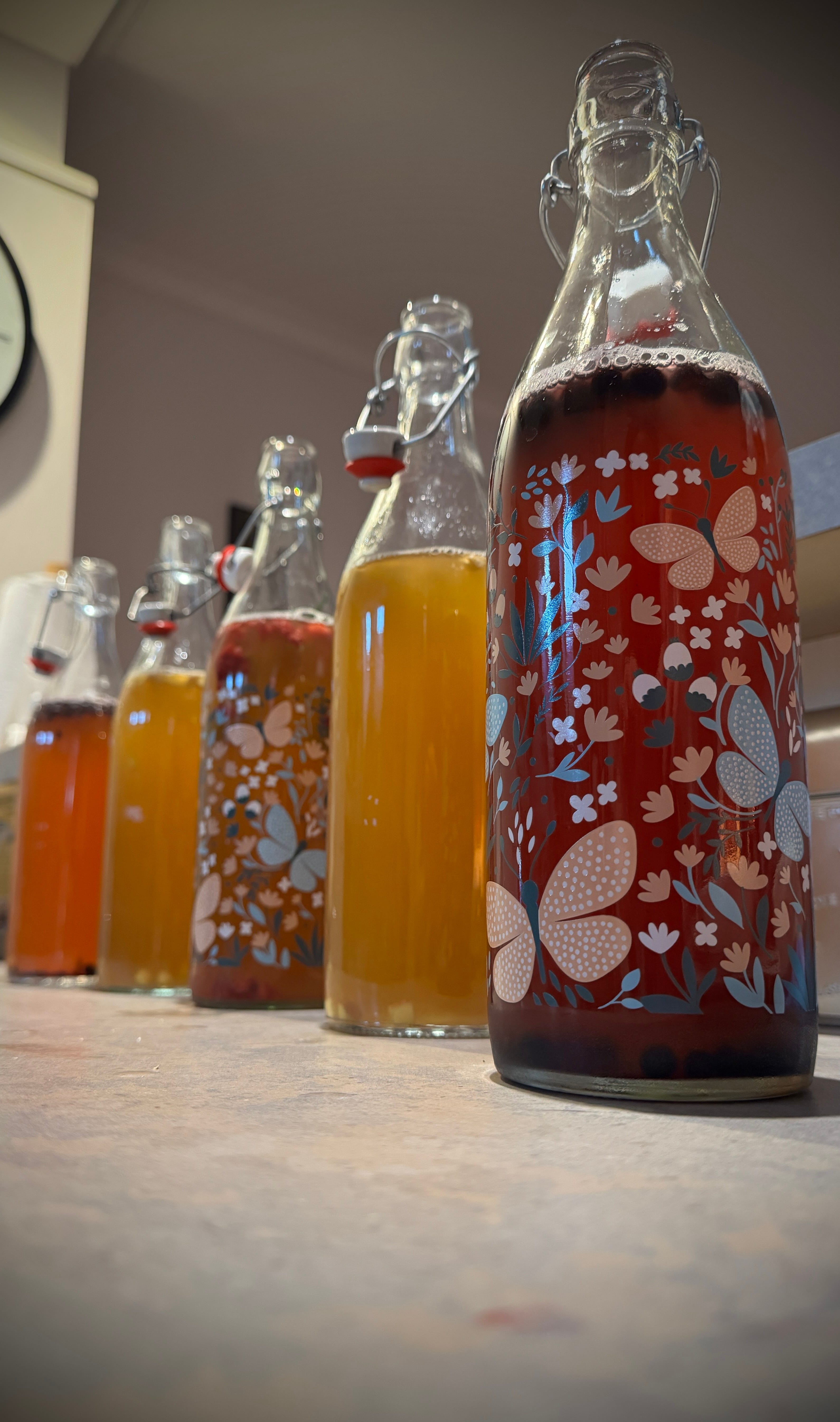
Right now, there are three glass jars on my kitchen counter.
One is actively fermenting - a thick, gelatinous disc floating on top of sweet tea that’s slowly turning acidic. One is in second ferment with frozen berries, building carbonation. One is in the fridge, ready to drink.
I’ve been brewing kombucha for years. Not because it’s a superfood. Not because I’m trying to optimize every variable of my health.
I brew it because it’s a wholesome activity that brings me joy. It’s creative. It’s satisfying to make something from scratch. My family loves trying new flavors - my kids gave me 10/10 on the first blackberry-mint brew.
And honestly? It fits perfectly into Nassim Taleb’s suggestion: only consume drinks that are at least 1,000 years old.
Water. Tea. Coffee. Wine. Kombucha.
Kombucha has been around for over two millennia. Personally, I find it’s amazing that we can still make something that’s been around for such a long time. The fact that we’re still drinking things that people were making 2,000 years ago tells me there is something special about it and that it will probably stick around for another 2,000 (unlike the latest bright blue ultra-sweet bubbly monster you can find in the supermarket).
But here’s another bonus of being curious and wanting to know the workings behind what you’re doing. The science on gut health and fermented foods is fascinating. Your microbiome isn’t just “gut bacteria.” It’s a metabolic organ that influences insulin sensitivity, inflammation, nutrient absorption, and even mood regulation through the gut-brain axis.
Kombucha won’t fix a terrible diet. But as part of the Fuel framework - whole foods, stable glucose, adequate protein, fat and fiber - it’s a low-effort addition that supports the metabolic allies you’re already feeding.
Keep reading for the mechanism behind why your microbiome matters. What fermented foods actually do. Why kombucha fits my life - not as medicine, but as one of those 1,000-year-old drinks that aligns with metabolic health and brings me joy.
Let’s start with the history. Because understanding where kombucha came from helps frame what it actually is - and what it isn’t.
New here? Start here:

Swiss Army Mum is a practical guide to long-term health for busy women, built on four pillars: Body, Mind, Glow, and Flow.
Not every tool. Just the right ones.
The 2,000-Year-Old Story
Kombucha didn’t start as a bottled functional beverage in Whole Foods. It started as a local fermented tea in northeast China over 2,000 years ago.
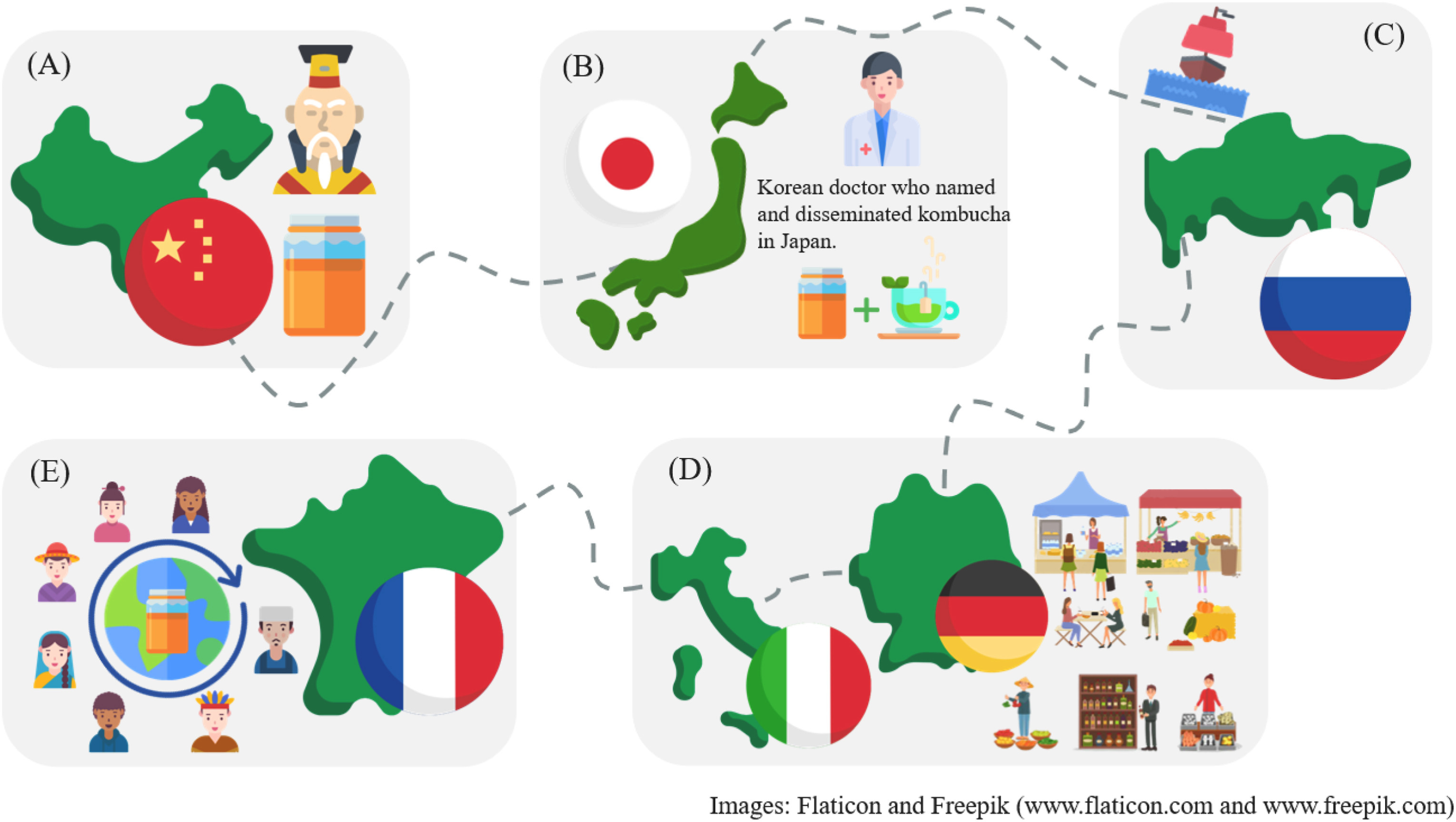
Most academic reviews trace kombucha’s origins to the region historically known as Manchuria or the Bohai Sea area. The earliest references date back to around 220 BCE, based on historical food records and scholarly interpretations of fermented tea drinks in early Chinese texts12. Around 414 AD, the beverage was introduced to Japan by a Korean physician named Kombu, who reportedly used it to treat intestinal disorders in the Japanese emperor. The drink later became known as kombucha in his honor. From Asia, kombucha spread westward via commercial routes. Historical sources suggest it first reached Russia, before expanding to Germany and Italy in the early 20th century, shortly after World War II. By the 1950s, kombucha had also gained popularity in France and North Africa3.
Here’s the key: fermented foods predate written records. Humans have been fermenting milk, vegetables, grains, and tea for millennia because fermentation made food safer, tastier, and more nutritious. No one “invented” kombucha in the way you’d invent a new technology. It emerged from tea culture and fermentation practices that were already widespread.
The drink spread gradually through Eurasian trade routes. By the 19th and early 20th centuries, kombucha had reached Russia and Eastern Europe. Scientific and industrial interest picked up mid-20th century.
The exact timeline is murky - but the pattern is clear. Fermented foods persist across cultures and centuries because they deliver real benefits. Kombucha is ancient because it works.
Now let’s talk about why.
Your Gut Microbiome Is a Metabolic Organ
I introduced the microbiome briefly in the Fuel blueprint post. Here’s the deeper dive.
Your gut contains trillions of bacteria, fungi, and other microorganisms. This isn’t a passive collection of hitchhikers - it’s an active metabolic organ that influences insulin sensitivity, inflammation, nutrient absorption, appetite regulation, and mood4.
Think of your microbiome as a second metabolic system running in parallel with your own cells.
What Beneficial Bacteria Do
They ferment fiber into short-chain fatty acids (SCFAs) - specifically butyrate, propionate, and acetate. These SCFAs are metabolic powerhouses:
Improve insulin sensitivity
Reduce systemic inflammation
Strengthen the gut barrier (preventing “leaky gut”)
Provide energy to colon cells
Regulate appetite hormones (ghrelin, leptin)
They synthesize vitamins (K, B12) that your body can’t produce on its own.
They modulate your immune system - about 70% of immune cells live in your gut.
What Harmful Bacteria Do
Fed by ultra-processed foods, refined sugars, and artificial sweeteners, harmful bacteria:
Weaken the gut barrier, allowing bacterial fragments to leak into the bloodstream and trigger inflammation
Produce inflammatory metabolites (lipopolysaccharides, trimethylamine N-oxide)
Worsen insulin resistance
Disrupt appetite signaling
The composition of your microbiome predicts metabolic health independently of diet quality. Two people can eat the same diet and have wildly different metabolic outcomes based on their gut bacteria5.
A disrupted microbiome is linked to: obesity, type 2 diabetes, cardiovascular disease, neurodegeneration (Alzheimer’s), mood disorders (depression, anxiety), autoimmune conditions.
The good news? You can reshape your microbiome relatively quickly - weeks to months - through diet and lifestyle changes6.
The stakes are clear: your gut bacteria aren’t a side story. They’re central to metabolism, inflammation, and long-term health.
How to Support Your Microbiome (The Fundamentals)
Before we talk about kombucha or any fermented food, let’s establish the foundation.
These are the fundamentals - not optional, not advanced. If you’re not doing these consistently, kombucha or any other fermented food won’t save you.
Eat Fiber (Prebiotics)
Fiber is food for beneficial bacteria. Without it, they starve.
Sources: vegetables, legumes, whole fruits, whole grains Target: 25-50g per day (start where you are and increase gradually)
This is Principle 4 from the Fuel blueprint. Non-negotiable.
Avoid Ultra-Processed Foods
Ultra-processed foods are stripped of fiber and micronutrients. They starve beneficial bacteria and feed harmful ones.
This is Principles 1 & 2 from the Fuel blueprint. Also non-negotiable.
Eat Fermented Foods (Optional But Beneficial)
Fermented foods deliver live probiotics (beneficial bacteria) plus the metabolites they produce during fermentation.
Examples: yogurt, kefir, sauerkraut, kimchi, miso, tempeh, kombucha
Not enough on their own, but beneficial.
Minimize Antibiotics When Possible
Antibiotics are necessary for bacterial infections - use them when needed and as directed. They do wipe out beneficial bacteria along with harmful ones.
If you take antibiotics, rebuild your microbiome afterward with fiber and fermented foods.
Key takeaway
Fiber-rich whole foods are step one. Kombucha is NOT step one.
Fermented foods are a bonus - they add diversity and deliver probiotics, but they can’t compensate for a poor foundation.
If you’re eating ultra-processed foods, drinking kombucha won’t fix your microbiome. But if you’re already eating whole foods and adequate fiber, fermented foods amplify the benefits.
Fermented Foods and Gut Health: What the Science Says
Fermentation is ancient food preservation. Before refrigeration, humans fermented milk, vegetables, grains, and tea to make them last longer, taste better, and become more digestible.
What fermentation does
Preserves food (survival strategy before refrigeration)
Produces beneficial metabolites (organic acids, B vitamins, enzymes)
Delivers live probiotics (beneficial bacteria and yeast)
Different fermented foods = different bacteria
This matters. Different fermented foods deliver different strains of bacteria: Variety builds a more resilient microbiome. I eat multiple fermented foods - kefir, kimchi, sourdough, kombucha - not because one is magic, but because diversity matters.
Multiple studies show that fermented foods increase microbiome diversity - a key marker of metabolic health. A 2021 Stanford study found that a diet high in fermented foods increased microbiome diversity and reduced markers of inflammation more effectively than a high-fiber diet alone78.
What is Kombucha?
Kombucha is fermented tea. That means it starts with tea (black, green, or oolong from Camellia sinensis) and sugar, then gets transformed by a SCOBY - a symbiotic culture of bacteria and yeast.
The SCOBY is what makes kombucha work. It’s a gelatinous film dominated by acetic acid bacteria (like Acetobacterand Gluconobacter) plus various yeasts. During fermentation, yeasts produce ethanol from sugar. Acetic bacteria then convert that ethanol into acetic acid - which gives kombucha its characteristic tangy flavor.
The fermentation process takes several weeks, depending on temperature and how acidic you want the final product. The longer it ferments, the more acidic it becomes.
It is usually followed by a second, shorter fermentation, done in air tight bottles, meant to carbonate the drink and flavor it with various fruits and spices.
What’s Actually in Kombucha
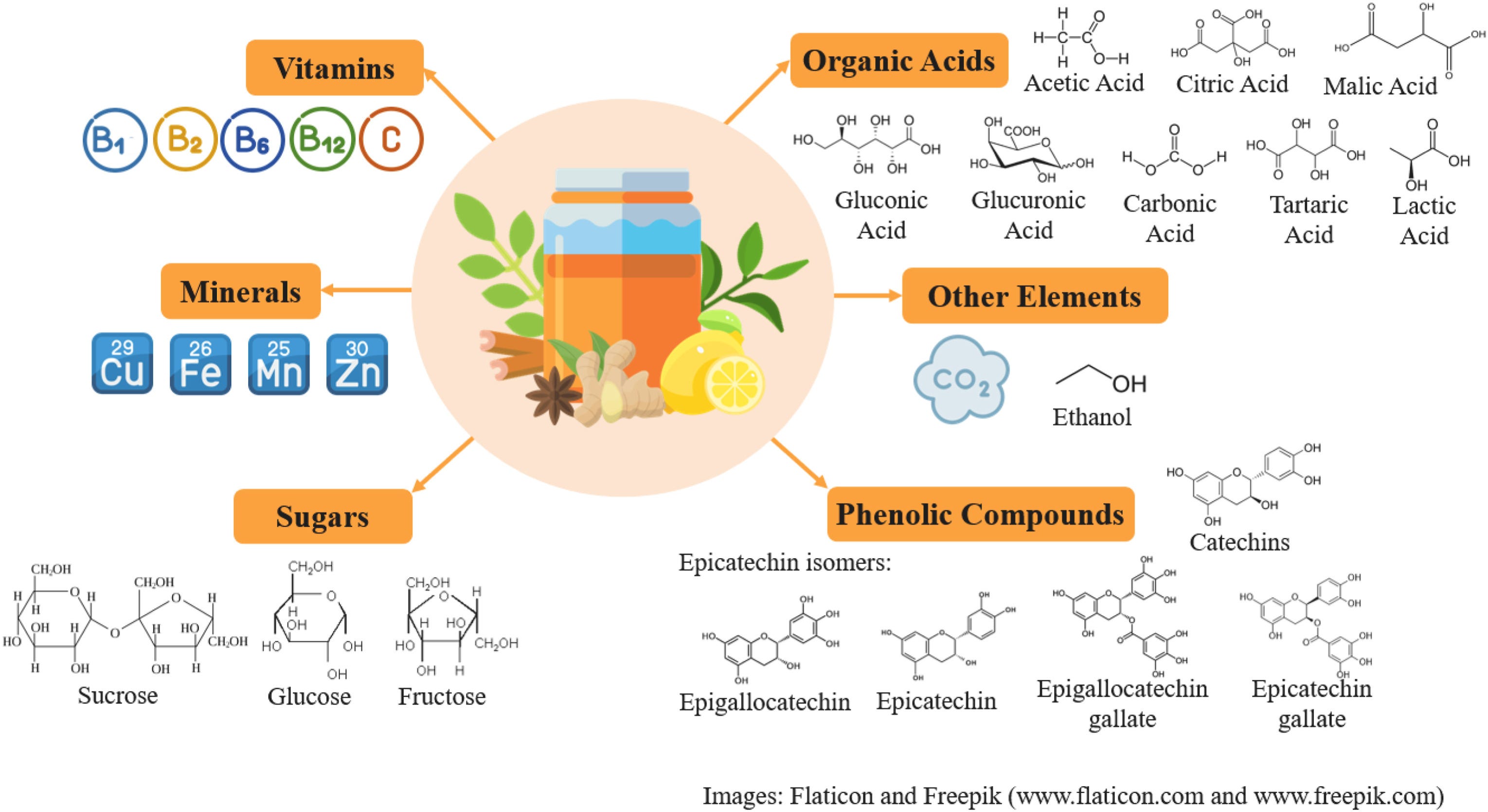
The chemical composition of kombucha is more complex than you’d think - and it varies based on tea type, sugar amount, fermentation time, and temperature.
Organic acids: The acidity comes from multiple organic acids produced during fermentation:
Acetic acid (predominant - this is vinegar)
Gluconic acid
Glucuronic acid
Citric, malic, tartaric, and lactic acids
These acids aren’t just flavor - they contribute to kombucha’s antimicrobial properties and may support liver detoxification pathways.
Polyphenols (from tea): Kombucha inherits the polyphenols from tea - especially flavonoids like catechins and their derivatives. These are antioxidant compounds that reduce oxidative stress and inflammation.
Other compounds:
Trace ethanol: Typically <0.5% alcohol (below legal threshold for “alcoholic beverage”), though homebrewed kombucha can have slightly higher levels
Residual sugars: Mostly glucose and fructose, plus some unfermented sucrose. A properly fermented kombucha has low sugar content - most of it gets consumed during fermentation.
Vitamins: B-complex vitamins (B1, B2, B6, B12) and vitamin C
Minerals: Iron, zinc, manganese (from tea leaves)
Amino acids: From tea and yeast metabolism
Live probiotics: Both bacteria and yeast remain viable in the final beverage
What the Research Shows (and Doesn’t)
Most kombucha research involves in vitro (cell culture) or animal studies. Human clinical trials are limited. That matters - what works in a petri dish or in mice doesn’t always translate to humans.
Let’s be clear about what kombucha is not:
Not a cure-all. It won’t reverse type 2 diabetes, fix a terrible diet, or replace medication.
Not a detox miracle. Your liver and kidneys handle detoxification. kombucha doesn’t “cleanse” you of toxins - that’s marketing nonsense.
Not well-studied in humans. Most evidence comes from cell cultures and animal models. We need large, well-designed clinical trials to confirm health benefits in humans.
Highly variable quality. Commercial kombucha brands vary in sugar content, live bacteria count, fermentation quality, and polyphenol concentration. Some are glorified sweet tea with minimal functional benefit.
My Take
Kombucha has plausible mechanisms for supporting gut health and metabolism:
Organic acids may modulate gut pH and suppress harmful bacteria
Polyphenols reduce oxidative stress and inflammation
Live probiotics (if present in sufficient quantities) add microbiome diversity
Low sugar content (if fermented properly) aligns with metabolic health
But it’s not magic. It’s a functional beverage with moderate evidence supporting antioxidant and anti-inflammatory effects - mostly from animal studies and lab tests.
If you’re doing the Fuel fundamentals (whole foods, fiber, protein, stable glucose, cut sugars and processed grains), kombucha is a reasonable addition. It supports the gut bacteria you’re already feeding. And if you brew it yourself, you control the sugar and fermentation. However, if you’re not doing the fundamentals, kombucha won’t save you.
Why I Brew Kombucha
You may be wondering, if I don’t sell kombucha as a miracle cure, then why write so much about it?
I brew kombucha also as part of my Mind and Flow pillar practices: mind because is what I call a “wholesome activity” that makes me happy, and flow because it’s a system that virtually runs on autopilot and doesn’t require willpower (plus it costs a fraction of what commercial kombucha costs!). Once you set it up, it’s 30 minutes of active work every 2-3 weeks. The rest is passive fermentation.
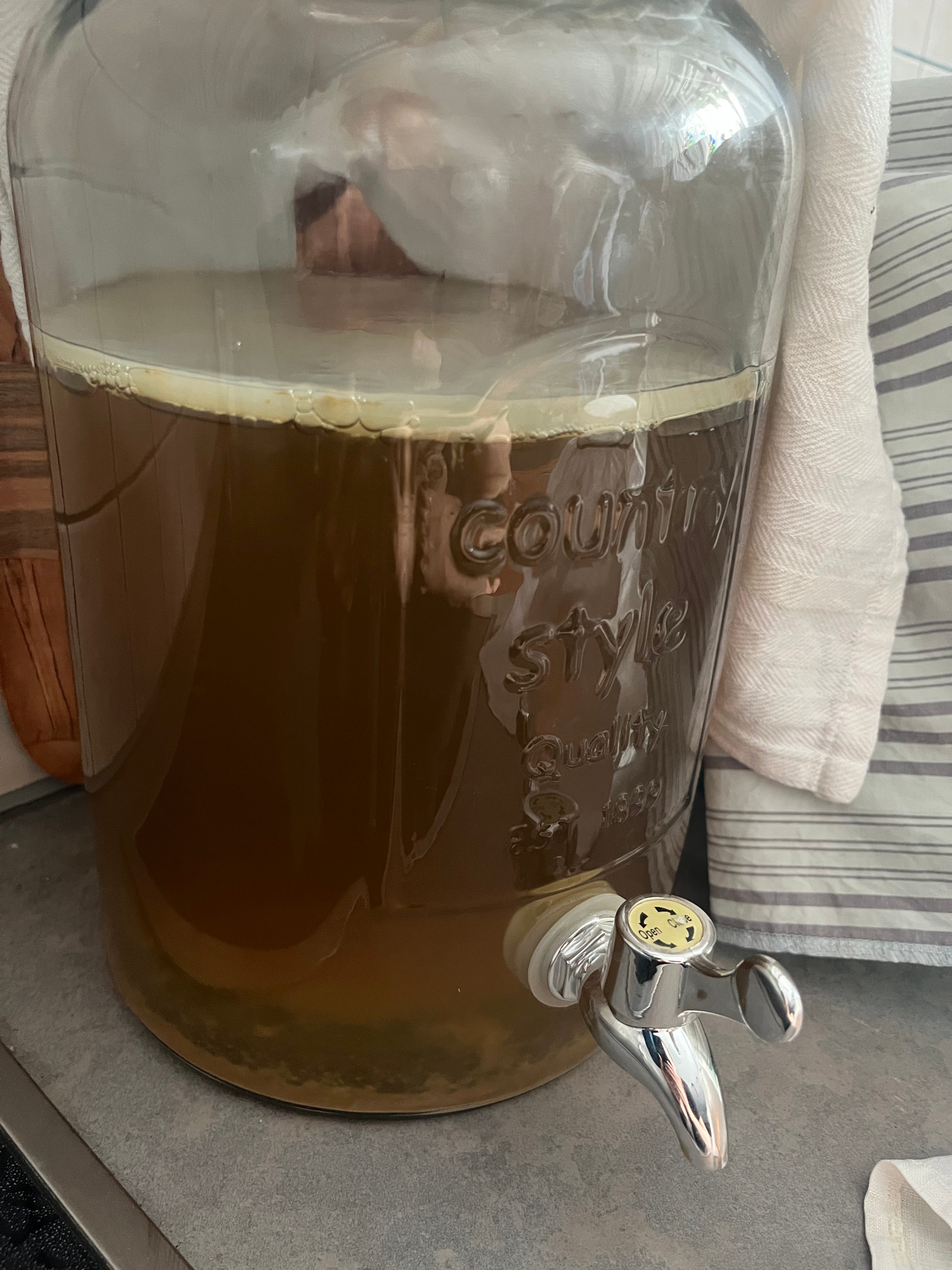
I don’t drink much alcohol anymore. But I like having something interesting to sip on movie nights or when hosting friends. Kombucha fits. It’s fizzy, flavorful, and aligns with metabolic health. It is basically aligned with my values: simple, sustainable, evidence-backed.
We have a few staple flavors, but my daughter loves coming up with new combinations. The usual rotation: lemon-ginger, raspberry-rosemary, blueberry-mint.
How about you? Do you brew kombucha? Do you drink it?
Should you brew Kombucha?
I brew kombucha because I’m a nerd who ferments everything. You don’t have to.
The goal isn’t perfection - it’s finding sustainable practices that bring you joy and align with metabolic health.
If buying good commercial kombucha fits your life better than brewing, do that. If you’re not interested in kombucha at all but you eat sauerkraut and yogurt regularly, you’re fine! Variety matters more than any single food.
Kombucha is a low-effort, evidence-backed addition that supports the gut bacteria you’re already feeding through whole foods.
And for me, it’s also just fun!
Thank You
Thank you for reading, sharing, and supporting this work. Whether you’ve been here since the beginning or just found Swiss Army Mum, I’m glad you’re here.
Building sustainable health without overwhelm takes a village. If something resonated with you, I’d be grateful if you forwarded this to someone who might benefit or hit the ♥️ or ↻ Restack button. It helps more people discover this space.
Your Turn
Do you brew kombucha? Drink it? What fermented foods are part of your routine?
Have you noticed any changes in digestion, energy, or mood from adding fermented foods?
Comment below - I read every one.
Medical note: This is educational, not personal medical advice. Your biology, history, and context matter. For significant changes, work with a qualified healthcare professional.
References
Letícia Maria de Melo, Marcelo Gomes Soares, Gabriel Cicalese Bevilaqua, Vivian Consuelo Reolon Schmidt, Marieli de Lima “Historical overview and current perspectives on kombucha and SCOBY: A literature review and bibliometrics” Food Bioscience, 59, 2024, https://doi.org/10.1016/j.fbio.2024.104081.
Onsun, Begum et al. “Kombucha Tea: A Functional Beverage and All its Aspects.” Current nutrition reports vol. 14,1 69. 24 May. 2025, https://10.1007/s13668-025-00658-9.
Júnior, Jayme César da Silva et al. “Kombucha: Formulation, chemical composition, and therapeutic potentialities.” Current research in food science vol. 5 360-365. 4 Feb. 2022, https://doi.org/10.1016/j.crfs.2022.01.023
Lynch, Susan V, and Oluf Pedersen. “The Human Intestinal Microbiome in Health and Disease.” The New England journal of medicine vol. 375,24 (2016): 2369-2379. https://10.1056/NEJMra1600266.
Zeevi, David et al. “Personalized Nutrition by Prediction of Glycemic Responses.” Cell vol. 163,5 (2015): 1079-1094. https://10.1016/j.cell.2015.11.001.
Ross, F.C., Patangia, D., Grimaud, G. et al. The interplay between diet and the gut microbiome: implications for health and disease. Nat Rev Microbiol 22, 671–686 (2024). https://doi.org/10.1038/s41579-024-01068-4.
Wastyk, Hannah C et al. “Gut-microbiota-targeted diets modulate human immune status.” Cell vol. 184,16 (2021): 4137-4153.e14. https://doi.org/10.1016/j.cell.2021.06.019.
Marco, Maria L et al. “Health benefits of fermented foods: microbiota and beyond.” Current opinion in biotechnology vol. 44 (2017): 94-102. https://doi.org/10.1016/j.copbio.2016.11.010.